Georgia After the 2008 War: Conflict Analysis
Two post-war research studies explain why the Abkhazia and South Ossetia conflicts resisted settlement, why EU mediation after 2008 delivered little, and where regional cooperation showed promise.
Country and regional analysis on conflict, political transitions and the practice of building peace, researched from public records and field studies.
Two post-war research studies explain why the Abkhazia and South Ossetia conflicts resisted settlement, why EU mediation after 2008 delivered little, and where regional cooperation showed promise.
Shared rivers and aquifers have kept Israel, Jordan and the Palestinians talking through decades of conflict. What the Jordan basin record says about water diplomacy.
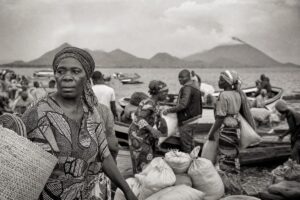
Regional trade and energy projects were meant to knit the Great Lakes together. Cooperation survives war, but peace has to be designed in.
What the Arusha settlement, power-sharing and the 2015 crisis reveal about building peace in Burundi and the wider Great Lakes region.
How Nepal carried its 2006 peace accord into the districts: local peace committees, the return of the state to Rukum, and the Tarai crisis that tested the settlement.
How do you build a state whose existence is contested? Research from 2009 found international intervention in Kosovo consolidating the fragilities it meant to cure.
How EU conflict prevention policy evolved from Gothenburg to Lisbon, where its instruments delivered, and why the structural hurdles identified years ago persist.
Three decades of war in eastern Congo run on three engines: a regional rivalry born in 1994, a mineral war economy, and a state too hollow to govern its east.
Fish, oil and a disputed border: why the lake between Uganda and the DRC is both the flashpoint and the best entry point for peace.
Why power in Pakistan runs through armies, landlords and kinship networks rather than formal institutions, and what that means for peacebuilding practice.