Analysis
Regional Cooperation in the Great Lakes Region
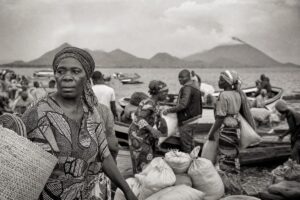
Regional trade and energy projects were meant to knit the Great Lakes together. Cooperation survives war, but peace has to be designed in.
Analysis of conflict and peacebuilding in the African Great Lakes region: Burundi, the eastern Democratic Republic of Congo, South Kivu, Lake Albert and the regional cooperation that binds them. Reports draw on field studies and the public record of the EU-funded peacebuilding research of 2008 to 2012.
Regional trade and energy projects were meant to knit the Great Lakes together. Cooperation survives war, but peace has to be designed in.
Field research from eight conflict-affected countries on why security and justice must be delivered as public services, not military projects.
Why vetting, oversight and accountability for past abuse decide whether post-conflict security institutions earn public trust.
What the Arusha settlement, power-sharing and the 2015 crisis reveal about building peace in Burundi and the wider Great Lakes region.
Three decades of war in eastern Congo run on three engines: a regional rivalry born in 1994, a mineral war economy, and a state too hollow to govern its east.
The DRC built its army and police from unvetted belligerents. Two decades of reform changed little, because impunity, not capacity, is the core problem.
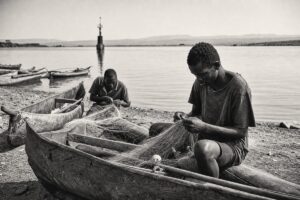
Fish, oil and a disputed border: why the lake between Uganda and the DRC is both the flashpoint and the best entry point for peace.
Why donor security programmes keep missing the threats people actually face, and the seven implementation gaps behind the failure.
A decade after UNSCR 1325, field research from Burundi, Liberia and Nepal shows where gender-sensitive peacebuilding delivers and where it stalls.
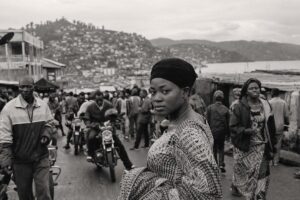
Land, citizenship, minerals and an absent state: why every Congolese rebellion since 1996 has started in, or come home to, the Kivu provinces.